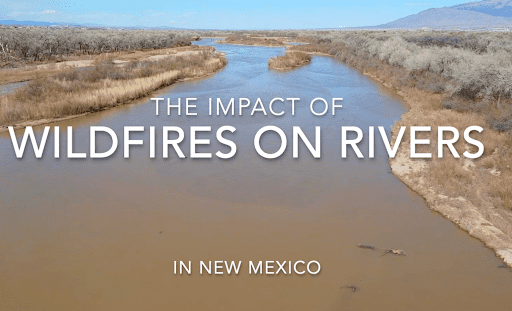
By Dorothy Mberile, Computer Engineering Major, Mentor Dr. Ricardo González-Pinzón and Paige Tunby. Wildfires pose a significant challenge in the United States, with far-reaching environmental consequences. Among these repercussions, the effects on local rivers stand out prominently. Wildfires unleash a spectrum of impacts on communities, from the contamination of drinking water sources to disruptions in agricultural practices. Accessing comprehensive data regarding the impact of wildfires on rivers has historically presented a formidable challenge.
Until recently, understanding wildfire’s impacts on rivers has been difficult due to data limitations. However, the advent of in-situ sensor technology has emerged as a transformative tool for investigating these effects. The transition towards sensor-based monitoring signifies a pivotal advancement, enabling a deeper comprehension of post-wildfire river dynamics.
To raise awareness about the critical importance of this issue, I am producing a video showcasing a researcher’s (Paige Tunby) efforts in harnessing sensor technology to gather relevant data in New Mexico, Albuquerque, on the Hermit’s Peak – Calf Canyon wildfire. I hope that by shedding light on these impacts, communities can better appreciate the significance of proactive measures in safeguarding our natural resources.
The significance of this research cannot be overstated. Through a comprehensive evaluation of wildfire consequences on fluvial systems, we can formulate more effective mitigation strategies for managing their aftermath. Understanding the scale and breadth of these impacts empowers us to swiftly implement targeted interventions, thereby boosting the resilience of river ecosystems and the communities reliant upon them.